
Oversight That Protects Shareholders
Board & Fiduciary Governance
Practical, domain-driven advisory for mutual fund boards and executives navigating fiduciary oversight, operational complexity, and changing market dynamics in an environment where the pace of change continues to accelerate
Delegated Operations, Undiminished Accountability
THE CHALLENGE
Unlike a traditional corporate board, a mutual fund board governs an entity with no employees of its own. Nearly all functions are carried out by a network of service providers, creating a structure that demands a more nuanced and informed approach to oversight.
Reliance on management and third parties is necessary, but it introduces complexity. Visibility into day-to-day operations is indirect, making it harder to identify emerging risks, conflicts of interest, and control gaps. At the same time, the operating environment is evolving quickly, with new technologies, data dependencies, and capabilities reshaping how funds are managed and serviced.
In this context, effective oversight cannot rely on standardized frameworks or inherited governance playbooks. It requires deep domain understanding, independent judgment, and the ability to challenge what sits beneath the surface. While responsibilities can be delegated, accountability cannot. Boards must maintain a clear line of sight into how risks are identified, managed, and escalated to safeguard shareholder interests.

As operating models become more fragmented and reliant on multiple service providers, boards face increasing complexity in overseeing who does what, how well it is done, and at what cost. Evaluating service quality, fee structures, and the appropriateness of the overall service model has become a core component of effective governance.
With critical functions outsourced across administrators, custodians, transfer agents, and other providers, visibility into performance, controls, and accountability can be limited. At the same time, fee pressure and heightened scrutiny require boards to ensure that costs remain aligned with the value delivered. This is particularly important within the 15(c) process, where a robust, well-supported assessment of services and fees is essential.
Strong oversight requires more than periodic reviews. It demands structured evaluation of service providers, clear benchmarking of fees and performance, and a forward-looking view on whether the current service model continues to meet the needs of the fund and its shareholders.
Oversight in an Era of Operational Complexity
SPOTLIGHT
A Strong Service Provider Oversight Program Includes:
Clear mapping of roles, responsibilities, and service model design
Comprehensive fee and expense benchmarking across providers
Structured input into the 15(c) review process, including fee-for-service alignment
Ongoing performance monitoring and service level evaluation
Independent assessment of service quality, controls, and resiliency
Identification of conflicts of interest and governance gaps
Periodic market scans and provider competitiveness assessments
Defined escalation frameworks and issue resolution protocols
Action shouldn’t begin when something goes wrong. Yet many boards are placed in a position where their effectiveness is judged only after the fact—once an issue has surfaced, decisions are scrutinized, and outcomes are already impacting shareholders. In those moments, governance becomes reactive, focused on explanation rather than prevention.
The real value of oversight lies in anticipating risk, asking the right questions early, and ensuring the right information is brought forward before issues take hold. Strong boards operate ahead of the problem, not behind it.
The Risks Boards Face Today
WHY IT MATTERS
-
Increasingly complex operating models and reliance on multiple service providers make it harder for boards to maintain clear, effective oversight. Gaps in coordination, transparency, or accountability across vendors can introduce hidden risks and weaken control environments.
-
Rapid adoption of advanced technologies, including generative AI, is reshaping investment, operations, and client interactions. Boards must oversee these capabilities without always having full visibility into models, data dependencies, or associated risks.
-
The pace of change in technology and operating models is outstripping traditional board skill sets. Without targeted modernization and upskilling, boards risk being unable to challenge management effectively or provide informed oversight.
-
Reputational risk now evolves in real time, amplified by social media and broader public scrutiny. Issues that were once contained can quickly escalate, impacting investor trust and long-term brand value.
-
Ongoing pressure on fees and margins requires boards to more actively assess pricing structures, value delivery, and revenue sustainability. Weak alignment between fees and outcomes can create both competitive and fiduciary challenges.
-
The rise of new structures and asset classes, including private markets and hybrid vehicles, introduces added complexity to oversight. Boards must evaluate how these innovations fit within existing governance frameworks and investor expectations.

OUR SERVICES
Advisory Services for Fund Boards
Guidance grounded in the real-world challenges your board faces, built to address your specific risks and operating model rather than relying on generic governance playbooks.
-

Fiduciary Oversight Review
Independent evaluation of board governance practices, decision-making frameworks, and overall fiduciary effectiveness, with recommendations to strengthen oversight and accountability.
-

15(c) Review and Assessment
Comprehensive support for the 15(c) process, including detailed fee analysis, peer benchmarking, and development of clear, board-ready materials to support informed decision-making.
-

Board Education & Training
Customized education sessions designed to enhance board effectiveness, covering fiduciary responsibilities, industry developments, and emerging risks impacting asset managers.
-

Service Provider Oversight & Benchmarking
Structured evaluation of third-party service providers, including performance benchmarking, fee comparisons, and the design of effective oversight and monitoring frameworks.
-
Compliance & Regulatory Readiness
Thorough assessment of compliance programs and readiness for regulatory scrutiny, helping ensure alignment with evolving requirements and preparedness for exams and audits.
-

Operational Risk & Controls Assessment
Holistic identification and evaluation of key operational risks across the fund complex, paired with practical, actionable strategies to mitigate exposure and enhance resiliency.
Our Insights
Insights and perspectives on governance, fiduciary oversight, and the evolving responsibilities of boards, with a focus on practical takeaways you can apply immediately.
Read Our Latest Insights



Our Team
Governance Informed by Real-World Experience
Our team is comprised of former industry operators and advisors with deep experience across asset management, governance, and fiduciary oversight. We have worked within the structures we now help boards oversee, giving us a practical understanding of how decisions are made, how risks emerge, and where oversight can break down.
We bring an independent perspective grounded in real operating experience, helping boards move beyond process and toward more informed, defensible governance.
-
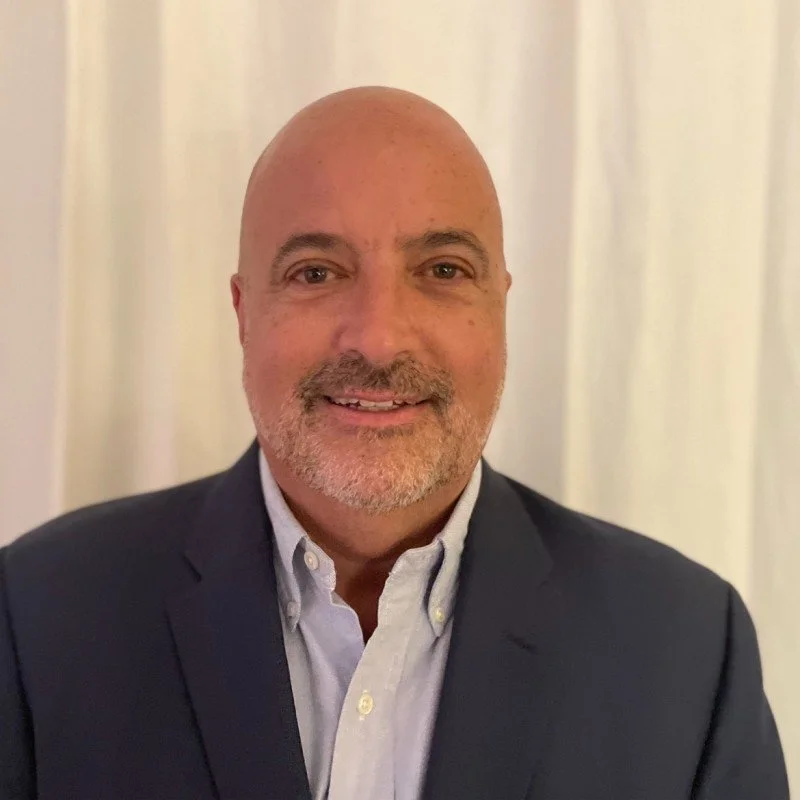
![]()
Chuck Booth
Executive Board Advisor
-
![Man in a suit with a floral boutonnière smiling at a formal event.]()
Dominic Crowe
Managing Director
-
![]()
Frank Strauss
Managing Partner
-
![Smiling man in a suit and glasses against a plain background]()
Gerry Healy
Managing Partner
-
![Person with glasses smiling in front of a bookshelf filled with books.]()
Michael Sands
Managing Partner
-
![Portrait of a man in a suit with a geometric background]()
David Martocci
Managing Director
-
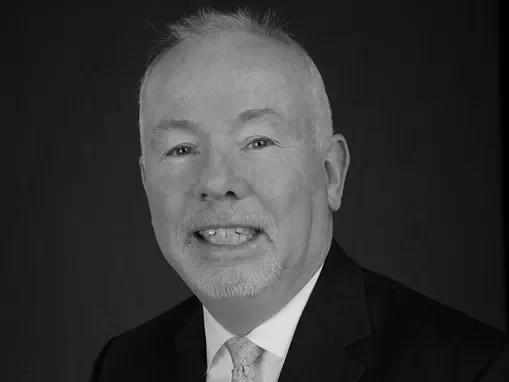
![]()
Jim Keenan
Managing Director


WHAT’S NEXT
Ready to Move Beyond Check-the-Box Oversight?
Whether you're looking for a comprehensive governance review or focused training on specific risk areas, we're here to help your board fulfill its fiduciary mandate with confidence.